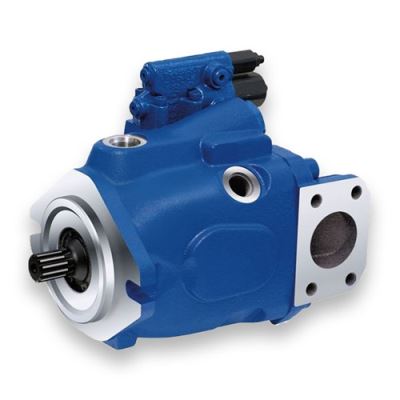
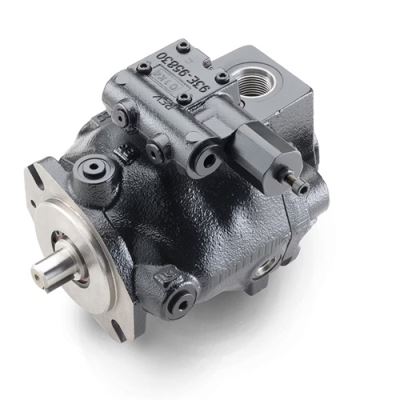
Home » Product Center » PD series variable plunger pump
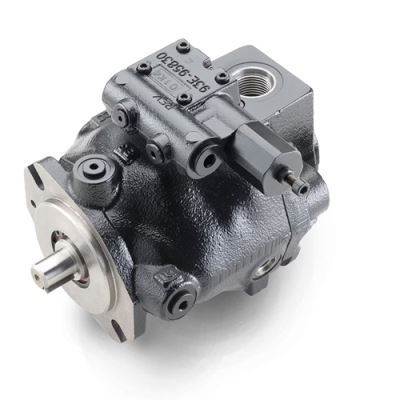
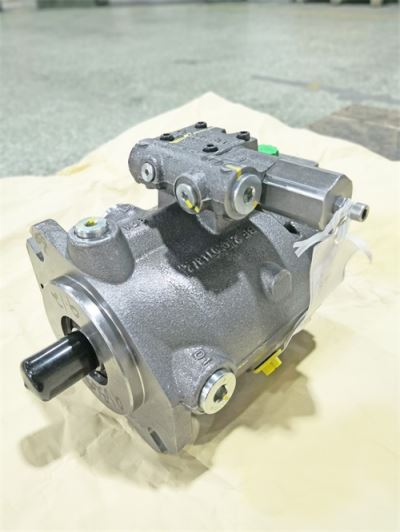
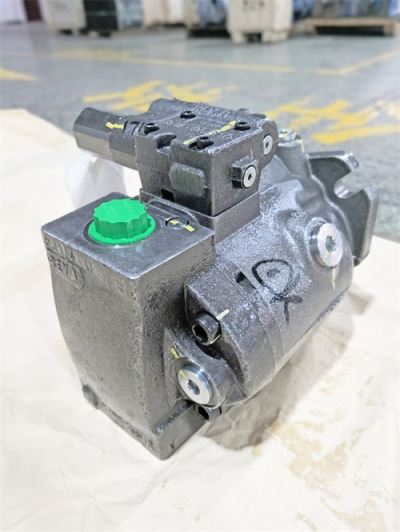
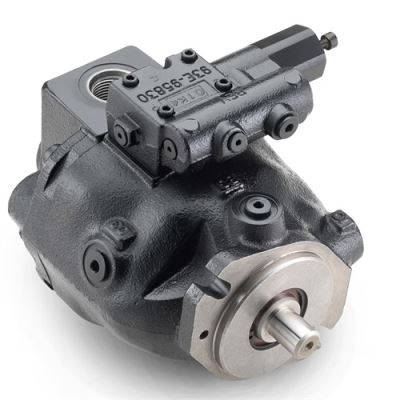
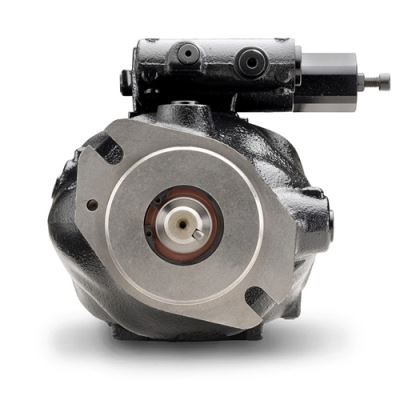
Foshan Chuangli Le Hydraulic Co., Ltd. specializes in R & D and manufacturing of hydraulic components. The products cover hydraulic pumps, hydraulic valves, hydraulic cylinders, hydraulic power units, etc., which are widely used in construction machinery, metallurgical equipment, shipbuilding, automobile production lines and other fields. Source factory direct supply, quality assurance, support non-standard customization.
Foshan Chuanglile Hydraulic Co., Ltd.
Email: creales@163.com
Address: Nanxing Industrial Zone, Guicheng, Nanhai District, Foshan City
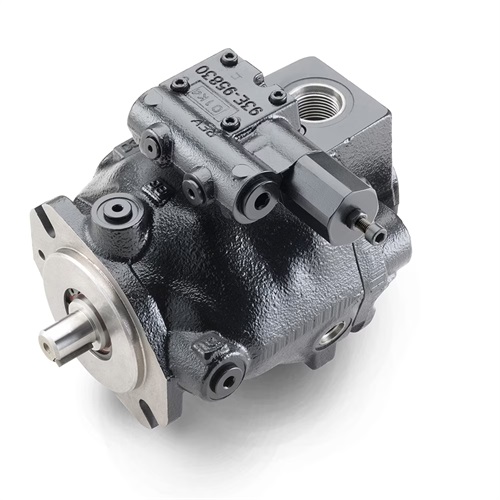
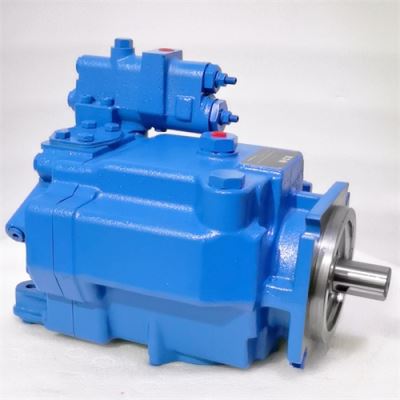
| Series | PD series axial piston pump |
Specifications | PD018, PD028, PD045, PD060, PD075, PD085, PD100, 1 etc | |
Work stress | Rated pressure 35MPa, peak pressure 42MPa | |
Control method: With standard pressure regulator With power regulator | Characteristics | • Axial piston variable hydraulic pump for open circuit |
Install
This series of hydraulic pumps is designed to operate when the drive shaft is installed horizontally or downward. For those that require the drive shaft to be installed upward, please contact Parker. The drive shaft of the hydraulic pump should be coaxial with the output shaft of the prime mover and should be checked with a dial gauge. The counterbore of the mounting flange stop should be concentric with the coupling. This concentricity is particularly important when the drive shaft is directly rigidly connected to the drive device without an elastic coupling.
Drive shaft information
Splined shaft: The drive shaft can accept coaxiality deviation with a maximum total reading of 0.15mm. The angular deviation of the outer spline shaft from the inner spline shaft shall be less than ± 0.002mm per mm of shaft radius. Fitting surfaces shall be lubricated and Parker recommends the use of lithium molybdenum disulfide grease or similar grease. The internal spline of the coupling shall be hardened to Rc 27-34, and the spline shall meet the SAE-J498c, level 5 flat root side meshing.
Flat key shaft: high-strength heat-treated flat keys shall be used. The replacement flat key shall be hardened to Rc 27-34, and the flat key shall be chamfered 0.81-1.0mm x 45 ° to fit smoothly into the keyway.
lateral bearing capacity
P1/PD series hydraulic pump is designed for linear drive. It is not recommended to have side load on its drive shaft. If side load is unavoidable, please contact Parker.
Piping
The maximum case continuous working pressure is 2 bar (30 psi), the maximum intermittent working pressure is 4 bar (60 psi), and the case pressure should never be higher than the oil inlet pressure by 0.5 bar (7 psi). When connecting the casing drain pipe, some pipes shall be higher than the highest point of the pump before the drain pipe is connected to the oil tank. The specification of the drain pipe shall be large enough to prevent the back pressure from exceeding 2 bar (30 psi). After the drain pipe is connected to the oil tank, the nozzle shall be inserted below the liquid level of the oil tank and away from the suction pipe as far as possible.
The oil pipeline connecting the hydraulic pump, whether it is a hard pipe or a hose, should have sufficient specifications and strength so that the oil flows smoothly. The small size of the oil inlet pipe may cause the hydraulic pump to work abnormally at the full rated speed; while the small size of the oil outlet pipe will cause a higher pressure loss, which will increase the heat and noise of the hydraulic system. It is recommended to use flexible pipe connection. If rigid pipe connection is used, more precise piping technology should be used to effectively reduce the tension of the pipeline at the pump port block or joint. Before installing the hydraulic pump, the system piping should be cleaned and flushed so that the hydraulic system is free of dirt, fiber wool, iron filings or other foreign dirt.
Note: Do not use galvanized pipe. The zinc coating may peel off during continuous use.
System safety valve
Although the P1/PD series pumps have a fast response to the reduced displacement compensator, for safety reasons, it is recommended to configure the system safety valve under various application conditions.
Recommended Hydraulic Fluid
For P1/PD series pumps, it is recommended to use petroleum-based hydraulic oil with anti-oxidation, anti-rust, anti-foaming and anti-dissolved air additives described in PARKER standard HF-1. For systems specified for use with hydraulic fluids containing antiwear additives, refer to the PAKER standard HF-0.
viscosity index
With a minimum viscosity index of 90V.I., oil with a higher viscosity index can be used to extend the operating temperature of the oil, but may reduce the service life of the oil.
Oil temperature
The oil temperature is determined by the viscosity characteristics of the oil used in the system. Because high temperature can degrade the performance of the seal, shorten the service life of the oil, and even cause danger, the oil temperature at the drain port of the pump should not exceed 110°C (230 °F).
Maintenance
This series of hydraulic pumps are designed for self-lubrication, and preventive maintenance is mainly through frequent replacement of the filter element to keep the system oil clean. All pipe joints and bolts should be kept in a tight state, and the working pressure and speed of the pump should not exceed the recommended range of use. If the pump does not work properly, carefully consult the troubleshooting table in the service manual before attempting to service the pump. Inspection and repair can be carried out according to the disassembly, reuse restrictions and assembly procedures specified in the maintenance manual.
Oil Cleanliness
Before entering continuous normal operation, the oil must be filtered and purified with appropriate filters to maintain a solid particle contamination level not higher than ISO 20/18/14. A better cleanliness level will significantly extend the service life of hydraulic pump components. Since the generation of contaminants may vary from application to application, it is necessary to analyze the actual application to determine the appropriate filtration method to maintain the required level of cleanliness.
Copyright©2025-2026 Foshan Chuanglile Hydraulic Co., Ltd. Copyright All Rights Reserved.